How Weather Conditions Affect Concrete Delivery and Placement
For those seeking concrete delivery, local contractors can help manage weather-related challenges to ensure proper placement and quality.
Understanding how weather conditions affect concrete delivery and placement is essential for property owners planning construction or renovation projects. Fluctuations in temperature, humidity, and precipitation can influence how concrete is transported, poured, and cures, potentially impacting the quality and longevity of the finished work. Property owners in the area who want to ensure their projects proceed smoothly and meet desired standards often find it helpful to explore this topic, as well-informed decisions can prevent delays and costly setbacks. Local contractors experienced in managing these weather-related challenges can provide valuable guidance and services tailored to your specific needs.
By learning about the effects of weather on concrete delivery and placement, property owners can better coordinate their schedules and prepare for different conditions. Whether it’s choosing the right timing for pouring or adjusting methods to accommodate weather patterns, understanding these factors helps achieve durable, high-quality results. Service providers in the area who specialize in concrete delivery are equipped to handle weather-related considerations, ensuring that your project stays on track despite the elements. Keep reading to discover practical insights and how local experts can assist in navigating weather challenges during your concrete projects.
- Concrete delivery services are essential when unpredictable weather conditions threaten to delay or compromise the quality of concrete placement, prompting local contractors to adjust scheduling and handling techniques. Service providers can implement weather-aware planning, such as using heated mixers or protective coverings, to ensure concrete remains workable in adverse conditions. When rain, high humidity, or extreme temperatures are forecasted, local pros often recommend specialized delivery methods to prevent premature setting or cracking. In cases of freezing temperatures, local contractors may utilize heated trucks or additives to maintain proper concrete flow and curing. Contacting experienced local pros can help navigate weather-related challenges to ensure successful concrete delivery and placement.
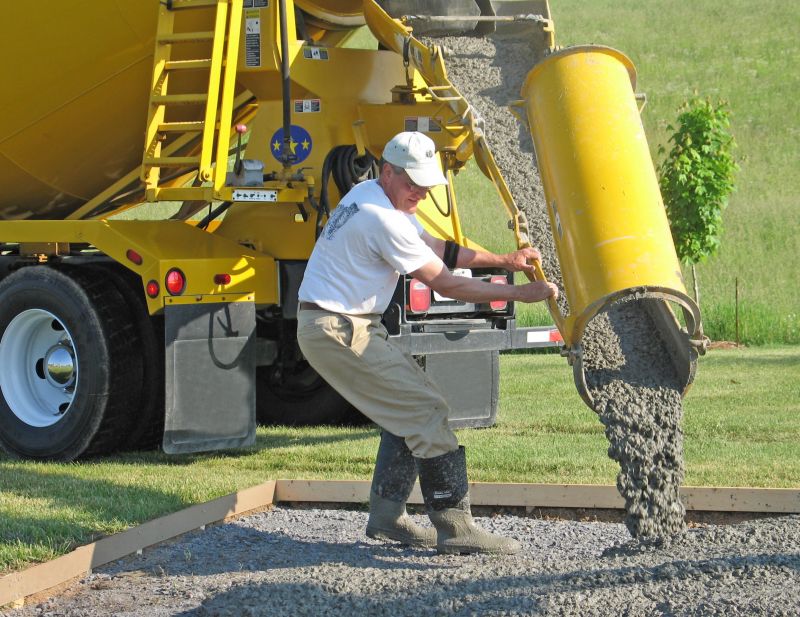

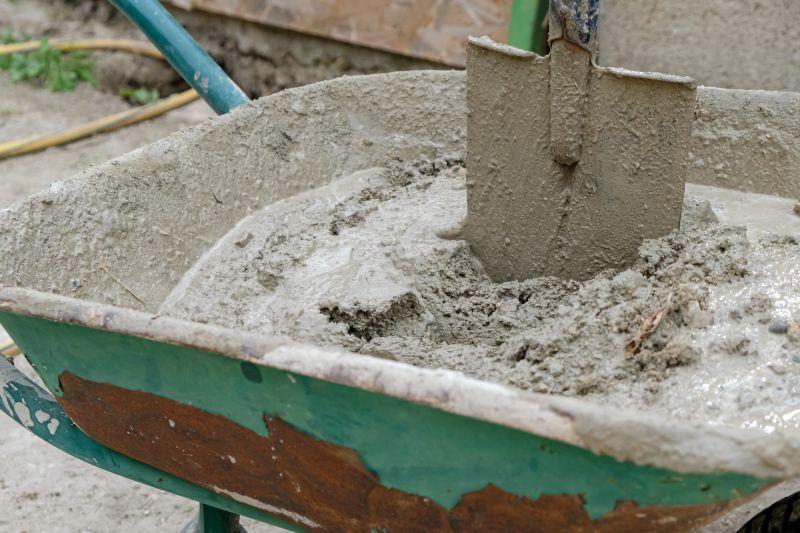
When people search for how weather conditions affect concrete delivery and placement, they are often trying to understand how different types of weather can impact the quality and timing of their concrete projects. Homeowners planning to pour a driveway, patio, or foundation may be concerned about delays caused by rain, extreme heat, cold, or humidity. They want to know how these conditions could affect the work, whether it might cause cracking, improper setting, or structural issues. This information helps them coordinate their project schedules and ensures that the concrete is placed under optimal conditions for durability and appearance.
These concerns are closely related to various types of projects, including residential driveways, walkways, slabs, and small-scale foundations. Problems linked to weather conditions can include concrete setting too quickly in hot weather, leading to cracking, or not curing properly in cold temperatures, which weakens the final product. Planning for weather-related challenges involves understanding how to protect concrete during adverse conditions, such as using coverings or delaying delivery. Homeowners often seek guidance on how to adjust their plans or work with local contractors who can adapt to weather changes, ensuring the concrete work maintains quality standards.
Properties that frequently come up in discussions about how weather affects concrete delivery and placement include temperature, humidity, wind, and precipitation. High temperatures can accelerate the setting process, making it difficult to work with the concrete before it hardens. Conversely, cold weather can slow down curing or cause freezing, which damages the concrete. Humidity levels influence the drying and curing process, while wind can cause rapid evaporation, leading to surface cracks or weak spots. Understanding these properties helps homeowners and contractors choose the right timing and techniques for pouring concrete, reducing the risk of problems caused by weather fluctuations.
For homeowners, understanding how weather conditions influence concrete delivery and placement highlights the importance of working with experienced local service providers. These professionals can assess current weather forecasts and advise on the best times to pour concrete or suggest protective measures to minimize weather-related issues. Whether it’s scheduling around rain, using heated enclosures during cold spells, or applying curing compounds in hot weather, local pros have the knowledge to help ensure the project proceeds smoothly. Connecting with experienced concrete delivery and placement specialists can make a significant difference in achieving a durable, high-quality finished project, regardless of weather challenges.
Foundation Repair Projects - These projects require careful planning of concrete delivery and placement, especially under varying weather conditions that can impact curing and stability.
Bridge Construction - Building bridges involves precise concrete placement where weather can influence setting times and structural integrity, making local contractors’ expertise essential.
High-Rise Building Projects - Tall structures demand coordinated concrete delivery to counteract weather-related challenges like wind and temperature fluctuations during placement.
Pavement and Roadway Projects - Weather conditions significantly affect the timing and quality of concrete paving, requiring experienced service providers to manage these variables.
Industrial Facility Foundations - Large-scale concrete placements for industrial buildings depend on weather-aware delivery planning to ensure proper curing and durability.
Precast Concrete Manufacturing - Managing weather impacts is critical in the production and transportation of precast elements, with local pros ensuring quality control during variable conditions.
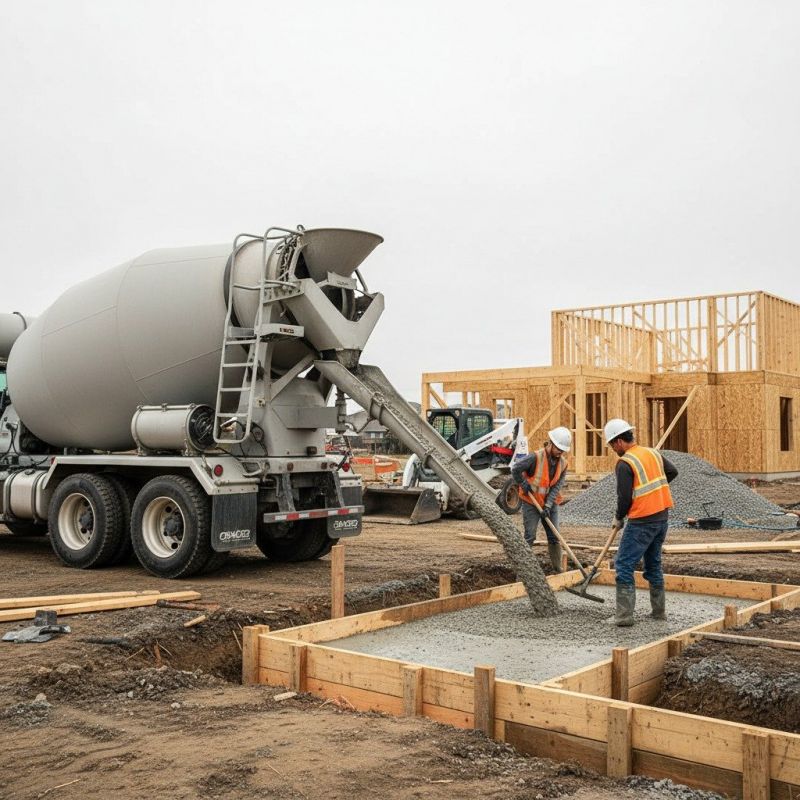
When evaluating concrete delivery services, it’s important to consider the experience of local contractors with projects similar to your own. Concrete placement can be significantly impacted by weather conditions, so working with service providers who understand how different weather scenarios influence delivery timing and pour quality can make a difference. Inquiring about their past projects involving weather-sensitive conditions can provide insight into their familiarity with managing challenges such as rain, extreme heat, or cold, ensuring they have the practical knowledge to adapt to varying weather patterns effectively.
Clear, written expectations are essential when comparing local pros for concrete delivery. A detailed plan should outline how weather conditions might affect the scheduling and process, including contingency measures for delays or adjustments. Reliable service providers will communicate their approach to handling weather-related issues and clarify any responsibilities or preparations needed from the homeowner. This transparency helps prevent misunderstandings and provides assurance that the contractor is prepared to address weather impacts proactively.
Reputable references and strong communication are crucial factors when selecting a local contractor for concrete delivery. Service providers with positive references from previous clients-especially those who experienced weather-related challenges-demonstrate a track record of managing unpredictable conditions successfully. Good communication ensures that homeowners stay informed about potential weather impacts and any necessary adjustments throughout the project. Choosing contractors known for clear, consistent dialogue can help ensure that weather considerations are addressed promptly, keeping the project on track despite weather fluctuations.
Property owners often search for how weather conditions affect concrete delivery and placement when they are planning practical projects around their homes and businesses. Local pros provide Concrete Delivery services for everyday jobs and straightforward project options.

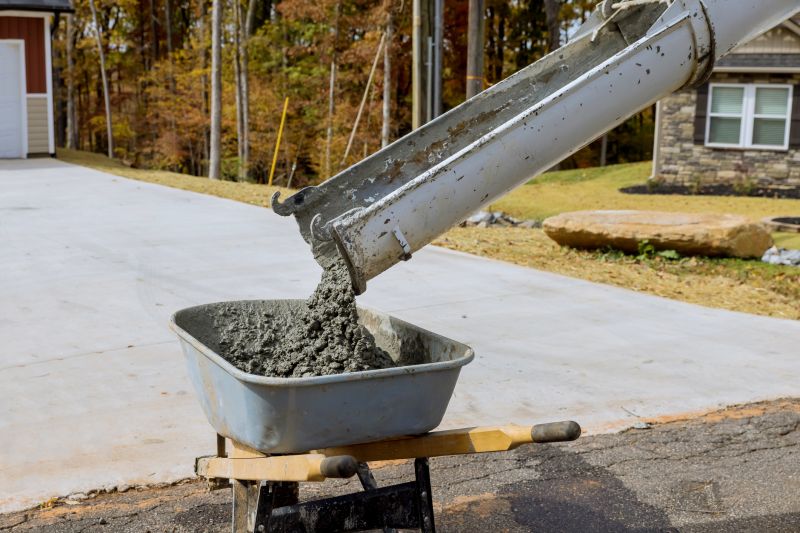
Weather conditions play a significant role in how concrete delivery and placement are managed on construction and renovation projects. For property owners in the area, understanding how factors like temperature, humidity, and rain can impact the work is essential. Hot or cold weather can influence the setting time of concrete, potentially leading to cracks or weakened structures if not properly handled. Heavy rain or moisture can cause delays or compromise the quality of the poured concrete, making it crucial to plan around weather forecasts and conditions.
Local contractors and service providers experienced in concrete delivery are familiar with these challenges and can adjust their methods accordingly. They might use specialized equipment, timing strategies, or weather-resistant materials to ensure the project progresses smoothly despite weather fluctuations. Property owners seeking reliable results often turn to these professionals to navigate the effects of weather conditions on concrete work, helping to ensure a durable and successful outcome.
How do temperature changes impact concrete delivery and placement? Temperature fluctuations can affect the setting time and workability of concrete, making it essential for local contractors to adjust their delivery methods and timing to ensure proper curing and strength development.
What effect does rain have on concrete delivery and placement? Rain can delay or complicate concrete placement by causing surface issues or weakening the mix, so local service providers often take precautions or reschedule to maintain quality.
How does wind influence the process of delivering and placing concrete? Strong winds can cause difficulties in handling and placing concrete, especially in open areas, prompting local pros to implement safety measures and adapt their techniques.
Can humidity levels affect concrete delivery and setting times? Yes, high or low humidity can alter the curing process, so local contractors may adjust their mix or timing to ensure optimal results under varying moisture conditions.
Why is weather monitoring important for concrete delivery and placement? Monitoring weather conditions helps local service providers plan and adapt their work to prevent issues caused by adverse weather, ensuring the quality and durability of the finished concrete.
Monitor weather forecasts - property owners can plan concrete delivery and placement around expected weather conditions to prevent delays or issues.
Choose the right timing - scheduling concrete work during mild weather helps ensure proper curing and reduces the risk of cracks or setting problems.
Use weather-resistant materials - consulting local contractors about additives or protective coverings can help mitigate weather-related challenges during placement.
Adjust project plans accordingly - understanding how weather conditions affect concrete can guide property owners in adapting their project timelines and methods with local service providers.
If you are thinking about how weather conditions affect concrete delivery and placement for a property, this guide is meant to help you understand this topic, the typical project types, and how different options might fit your plans.
When you are ready, you can use the quote form on this page to share a few details about your project. From there, local pros can review the basics and follow up with options that match what you have in mind.